
With the Olympics dominating television, more people than ever before are interested in ice skating. And it’s not that hard to see why: these athletes are capable of pulling off the most mesmerizing moves on the ice. Even better, most of them are easy on the eyes, leading to more than a few fan crushes on their favorite skaters!
Part of what makes ice skaters so attractive is, of course, what they wear. Some of the costumes these athletes have worn on the ice have become nothing short of iconic. But did you know that there is a list of rules as long as your arm about what they can and can’t wear? It’s true! And if you want to get to the bottom of this frozen fashion mystery, keep reading to discover the craziest rules these skaters must follow when it comes to clothing!
Costumes can never fall apart
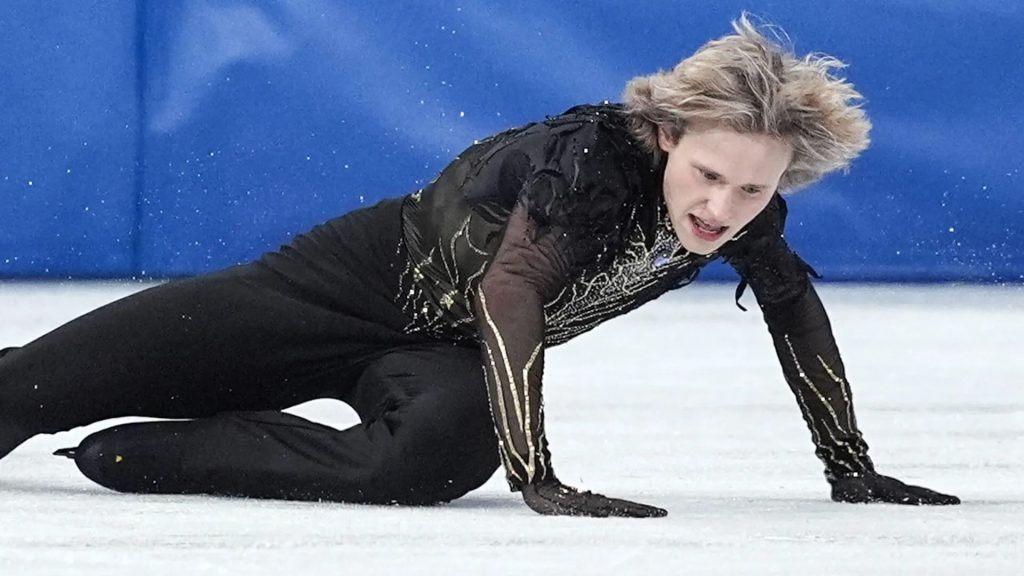
By now, you’ve probably noticed that ice skaters’ outfits tend to be very elaborate. But is there such a thing as dressing too elaborately? You bet! According to the International Skating Union, no costumes worn by skaters can have detachable parts. That makes a lot of sense, of course…the last thing anyone wants is something falling off on the ice, potentially endangering the skater or one of their colleagues.
There’s just one problem, though: historically, skaters like to dress as flamboyantly as possible. That includes fringe, sequins, feathers, and more. Therefore, skaters are constantly trying to strike a balance of looking as eye-catching as possible on the ice without having anything falling off, violating the rules of the ISU!
Never appearing nude or otherwise exposed

Some of the International Skating Union’s rules are more logical than others. For example, skaters are never allowed to appear nude via sheer clothing. Furthermore, they are not allowed to wear anything that deliberately exposes parts of their bodies to the eyes of hungry (and likely very horny) fans.
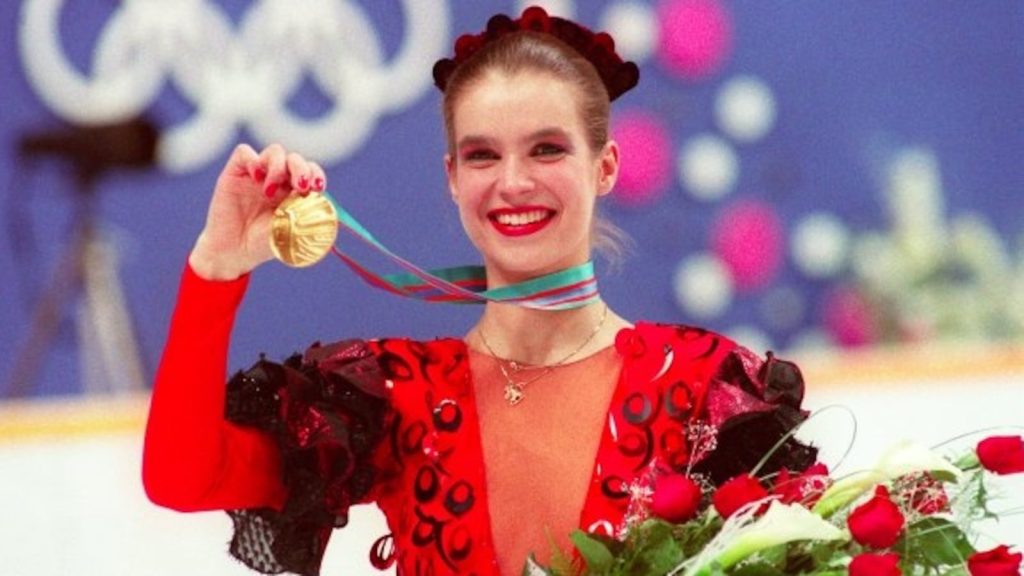
Why is this even an issue, you may ask? Well, the short answer is that professional ice skaters are some of the physically fittest people on the planet, and they are competing at the prime of their lives. They will never look sexier than this, and some of these athletes like to flaunt what they’ve got. The greatest example of this is Katarina Witt, who became so infamous for showing off her shapely rear end that the ISU instituted a rule (since rescinded) that prevented skaters from showing off their abs, butt, or hips!
They can’t go over the top
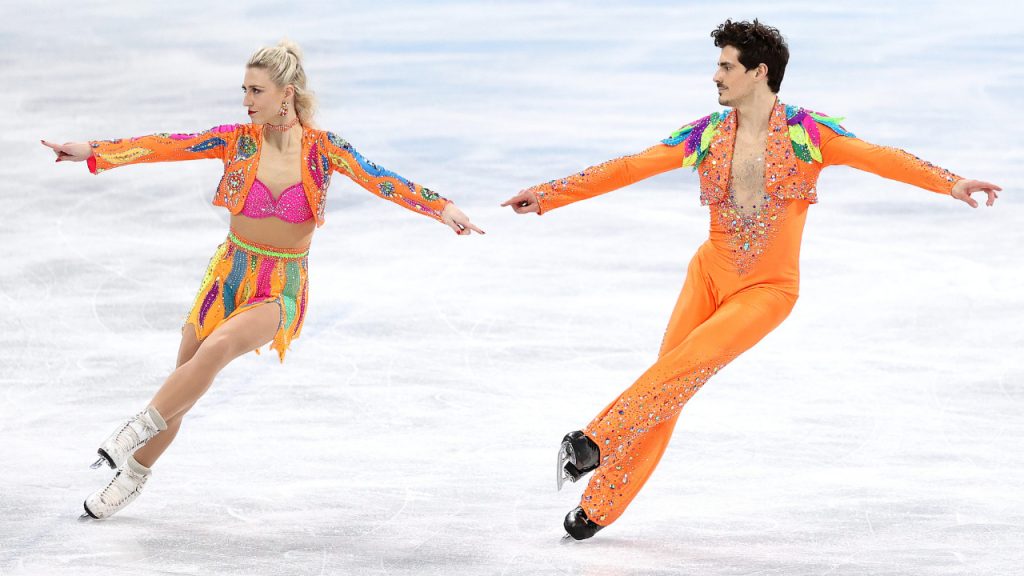
Some of the rules instituted by the International Skating Union are a bit vaguer than others. For example, there’s a special rule that the costumes worn by skaters cannot be “garish or theatrical in design.” However, there’s a slight loophole to this because the costumes are allowed to “reflect the character of the music chosen.” This means that countless skaters have had to thread a very fine needle in creating outfits that catch the eye of the audience, suit the song they are skating to, and don’t violate the rules of the ISU.
It’s not easy to find this balance: for example, Katerina Witt defended the booty-exposing outfit that led to “Katarina’s rule” by saying that the outfit was suitable for the song she was skating to (in her case, “Jerry’s Girls”). However, this rule ensures that audiences focus on the skill of these impressive athletes rather than their bodies. Unfortunately, the loophole has led to some tasteless and arguably offensive outfits, like when two Russian skaters donned loincloths, brown bodysuits, and face paint to skate to an Aboriginal song.
No obvious branding
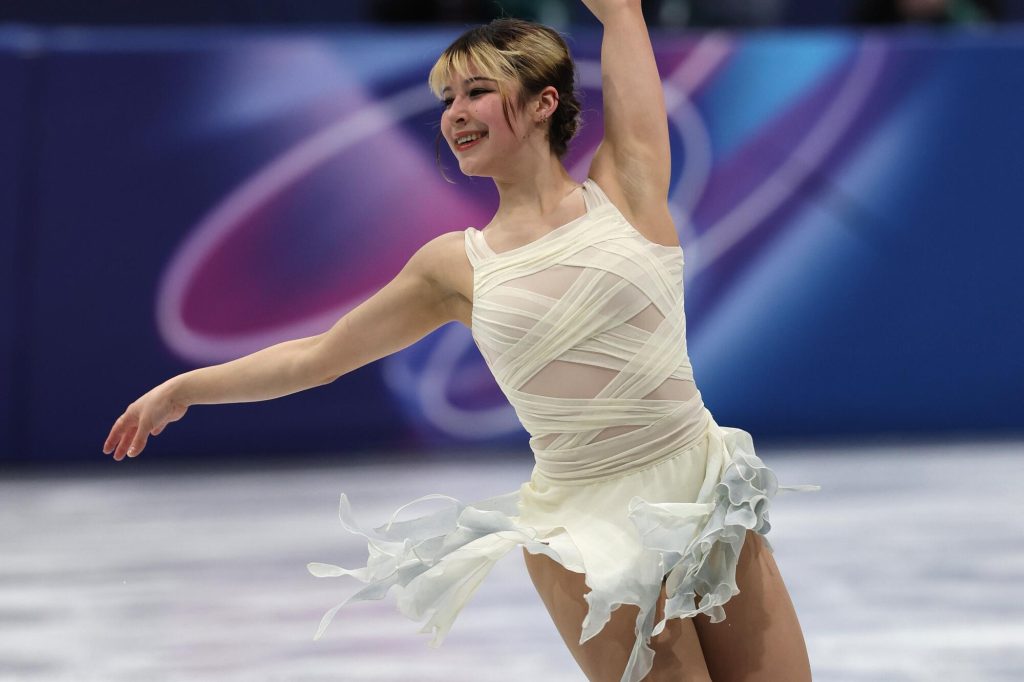
Over the years, some fans have taken exception to the fashion rules instituted by the International Skating Union, worrying that these regulations were holding these athletes back. However, there are some rules that almost everyone who loves the sport can get behind. And one of them is that the outfits worn by these professional skaters need to be free from any large, overly obvious branding.
Once upon a time, branding of any kind was forbidden by the ISU, and for good reason: they didn’t want these complex skating routines to turn into prolonged advertisements for companies such as Nike. Recently, though, they relaxed that regulation with a new rule that allows skaters to have one branded logo on their costumes, but the brand itself must be very small.
Why did they change this rule in the first place? The short answer is so that the athletes in question can get some much-needed funding by partnering with major sponsors. But even that sponsorship has limits, as the ISU forbids skaters from discussing their sponsors or wearing any kind of other branded clothing once the competition has begun.